












Islanddialect
Island language as seen in dialect katakana
The dialect of Yaeyama, including Ishigaki Island, is different from that of Honshu, as well as Okinawa Main Island and Miyako Island.
Furthermore, even within Yaeyama Islands, the language and pronunciation may differ from island to island and from village to village.
On the other hand, due to immigration policies and other forms of human movement, the languages of other islands have become established and are used in some cases.
Here are some old words.
Mixing in words that came from Okinawa Island,
Interesting-sounding words commonly used in Ishigaki Island
We will introduce it with illustrations.

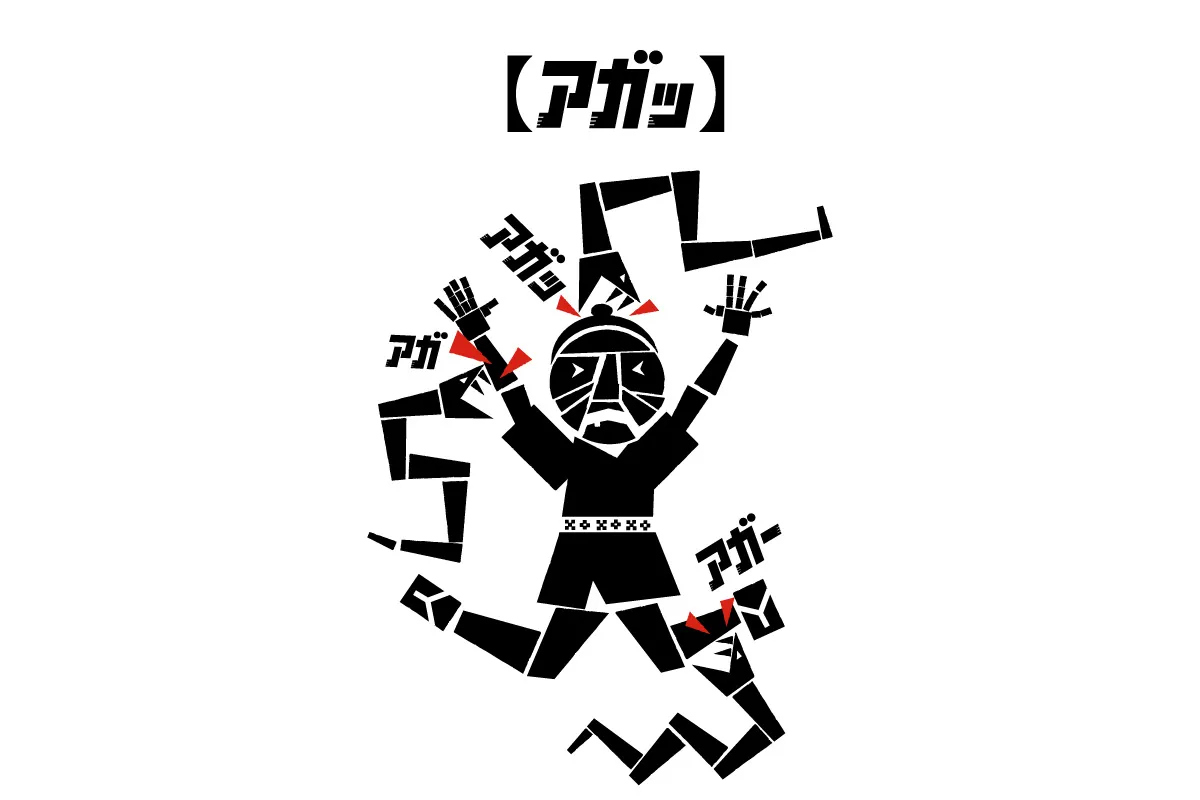
Aga
Words that come out spontaneously when you're in pain.
It's like saying "Ouch!" It's also used when you're surprised.
Besides "Aga," there are also "Aga" and "Agaa."
These are some examples of what is used.
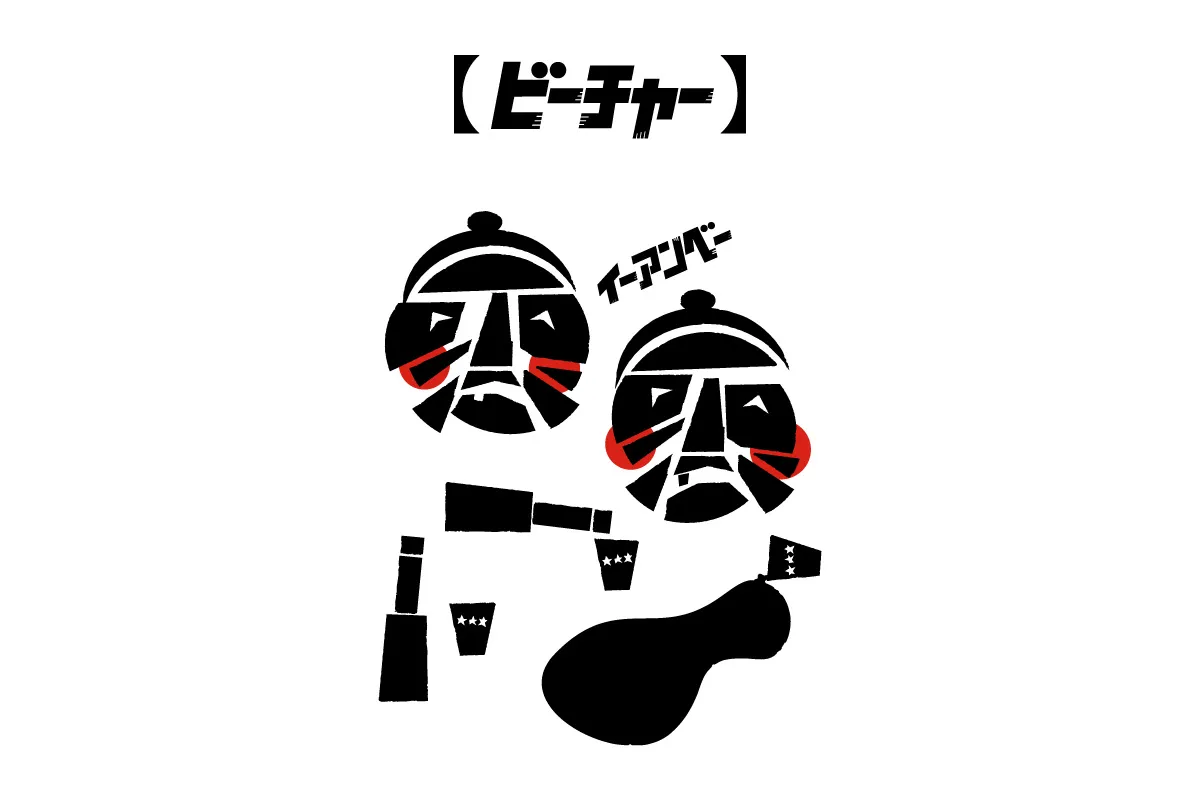
Beecher
The word "beecher" is used to refer to a "drunkard."
The original pronunciation is "Beepitu".
Please be careful not to drink too much awamori.
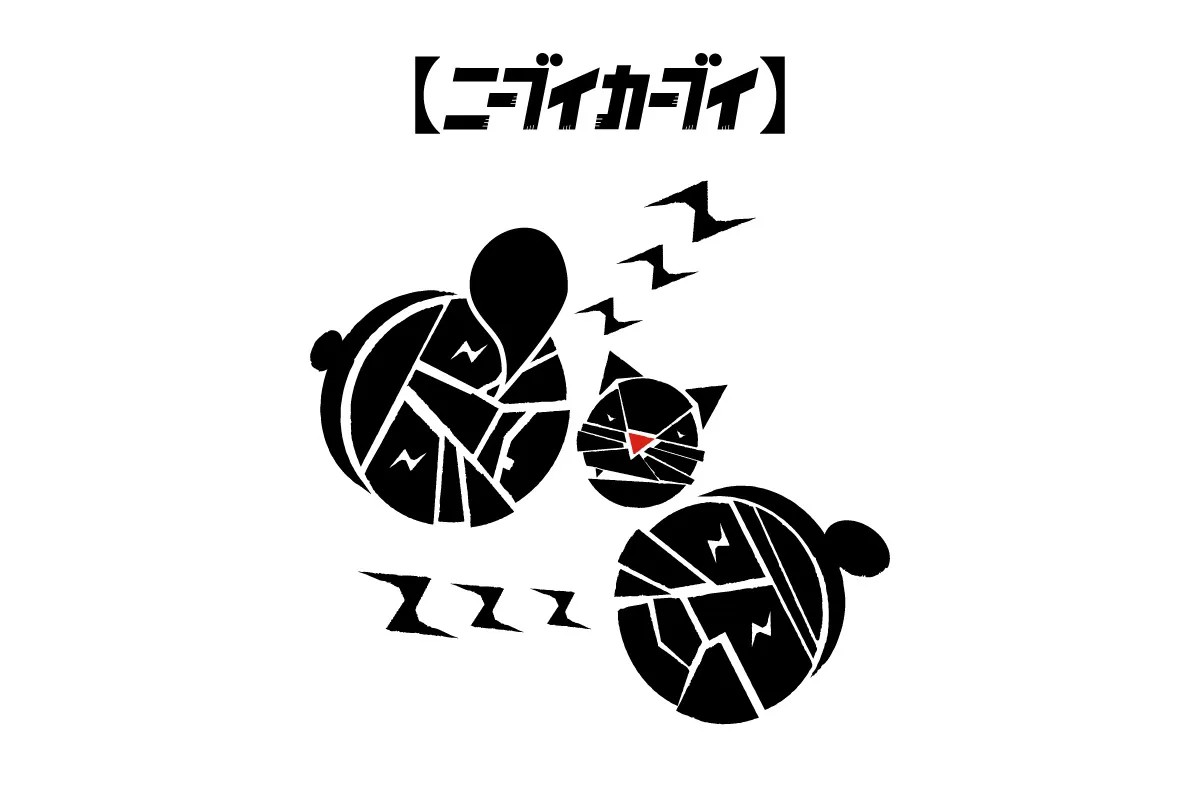
Niibuikabui
To nod off and fall asleep.
Someone who sleeps a lot is called a "niibuya".
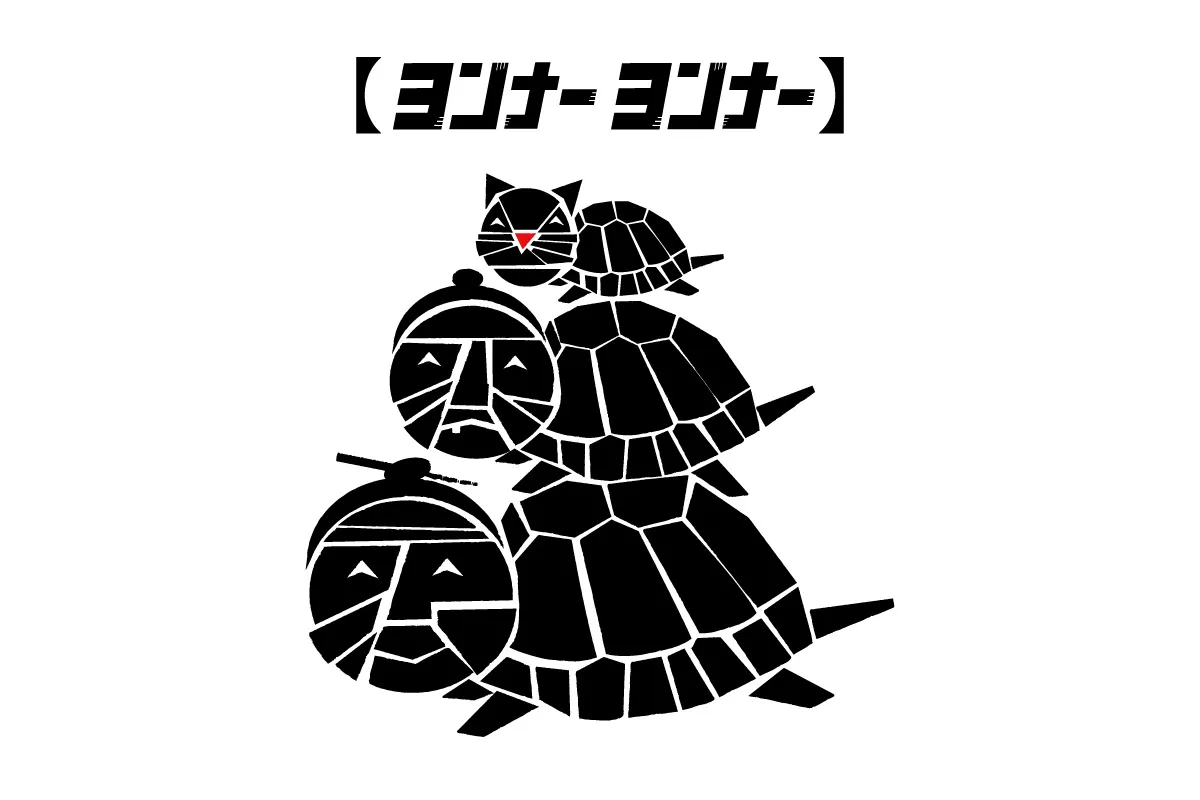
Yonna Yonna
"Yonna" means slowly, leisurely.
I sometimes use it twice in a row.
When driving a car
"Do Yonna Yonna."
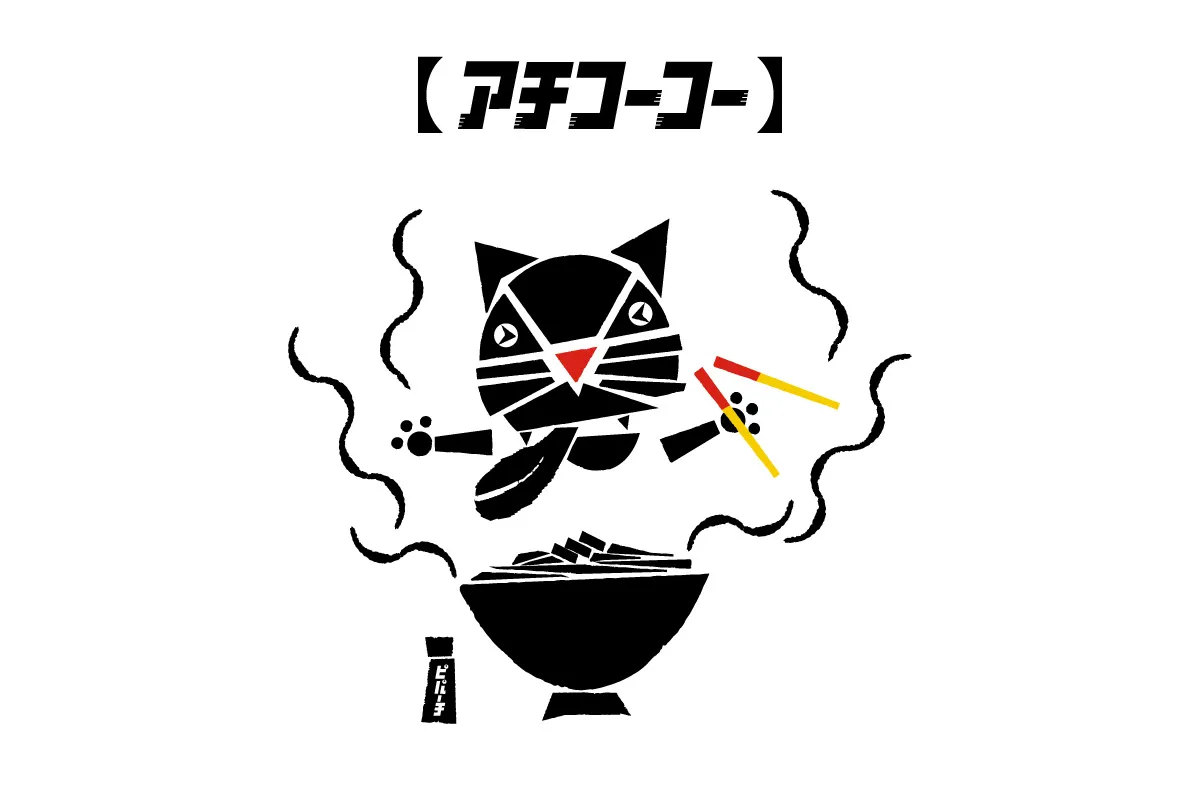
Hot and cozy
This term refers to food that is freshly prepared and hot.
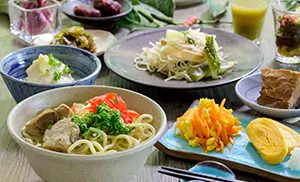
Yaeyama Soba is delicious when it's piping hot,
Be careful not to get burned!
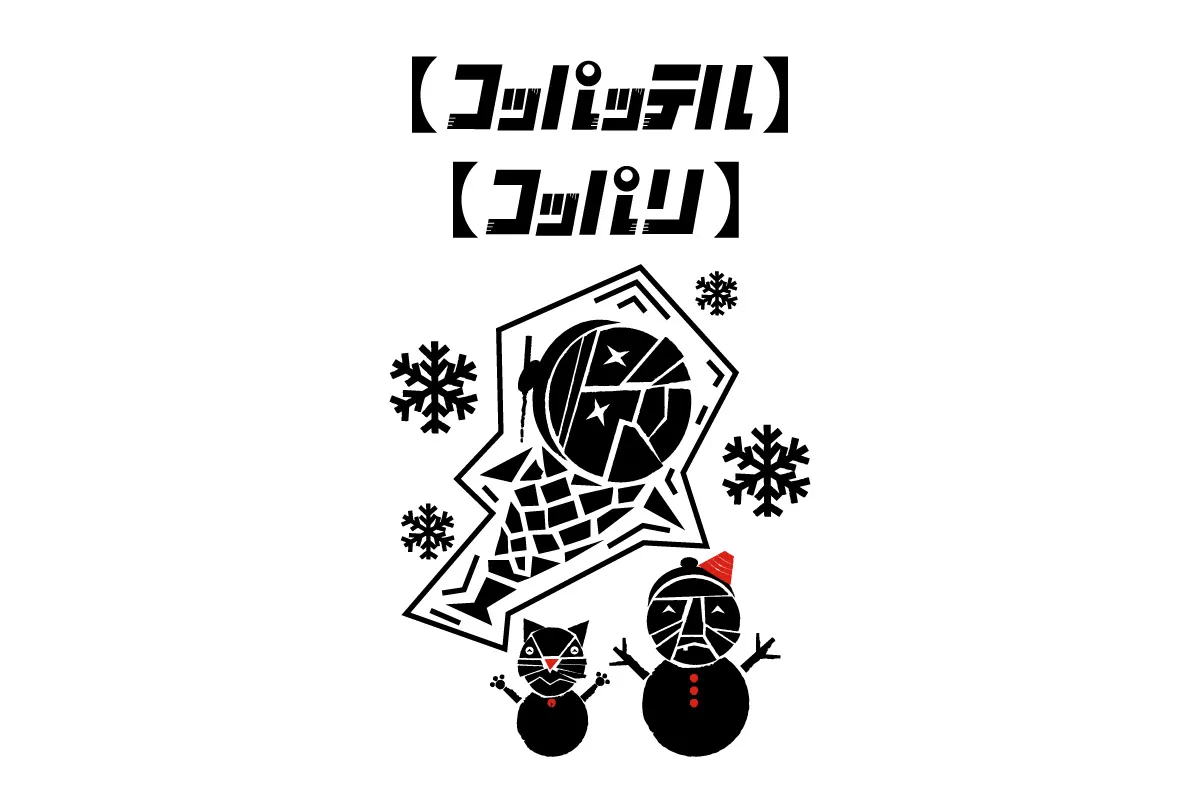
Koppateru Koppari
"Kopparun" originally meant "to harden," but it has come to be used to refer to something that is frozen or the state of being frozen.
"Koppacha" can also mean "a stubborn person."
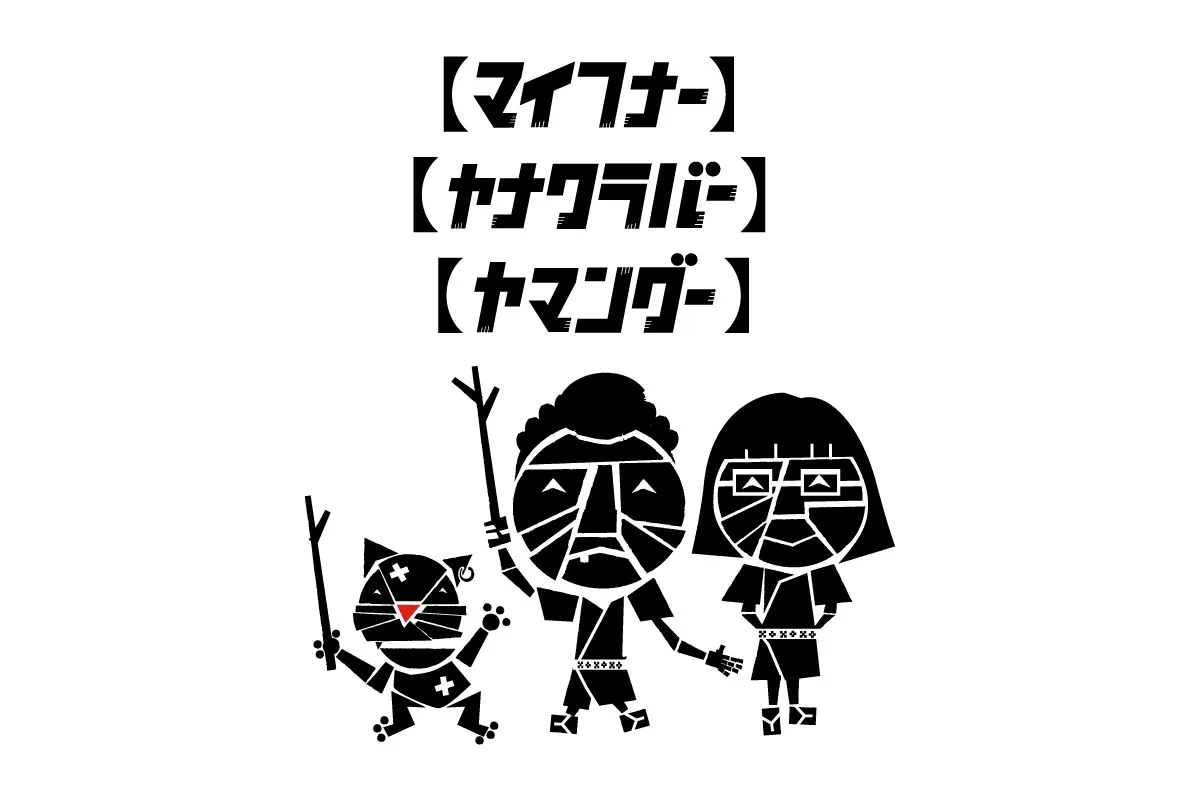
Myfuna
Yanawaraba
Yamangu
Myfuna = “good boy/girl,”
Yanawaraba = “good kid,”
Yamangu = “rascal.”
"My kid is a Yamangu, and I'm having a hard time with him/her."
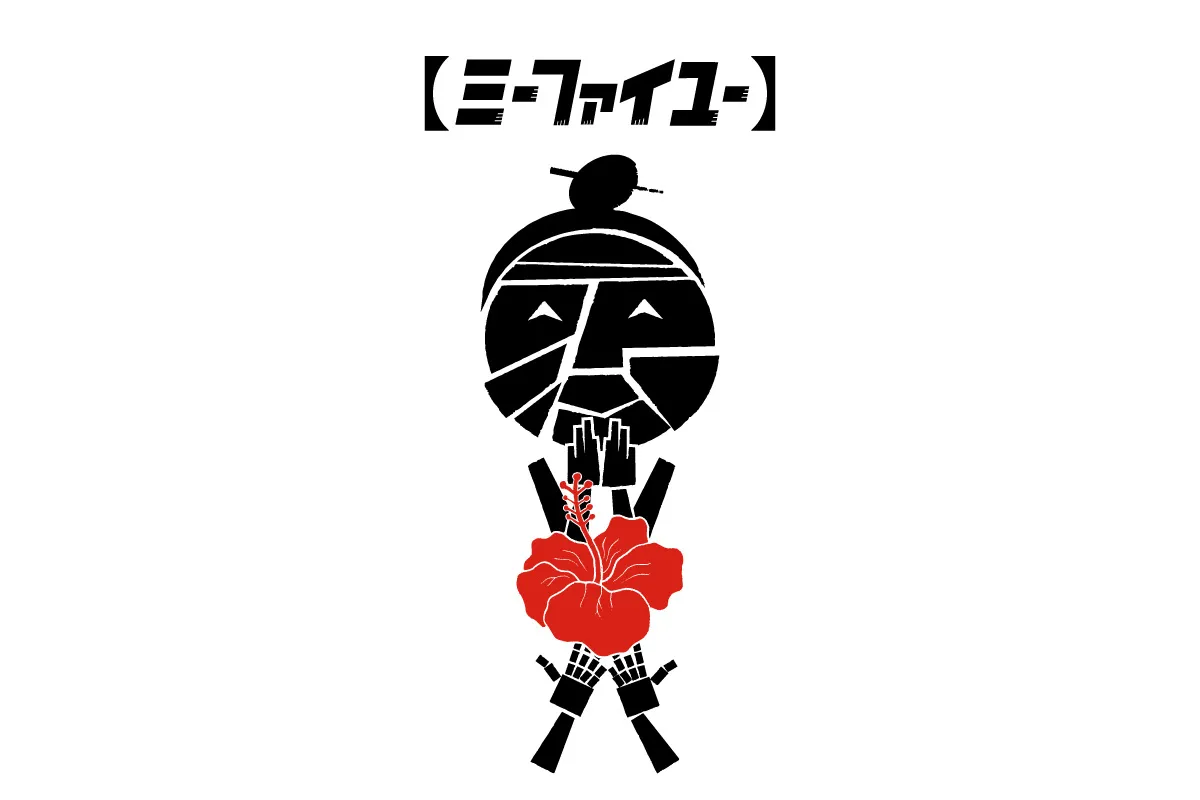
Mifaiyu
It means "thank you."
Nifaiyu (Niifaiyu) is also a synonym.
"Shikaitou, niifaiyu" =
"Thank you so much."
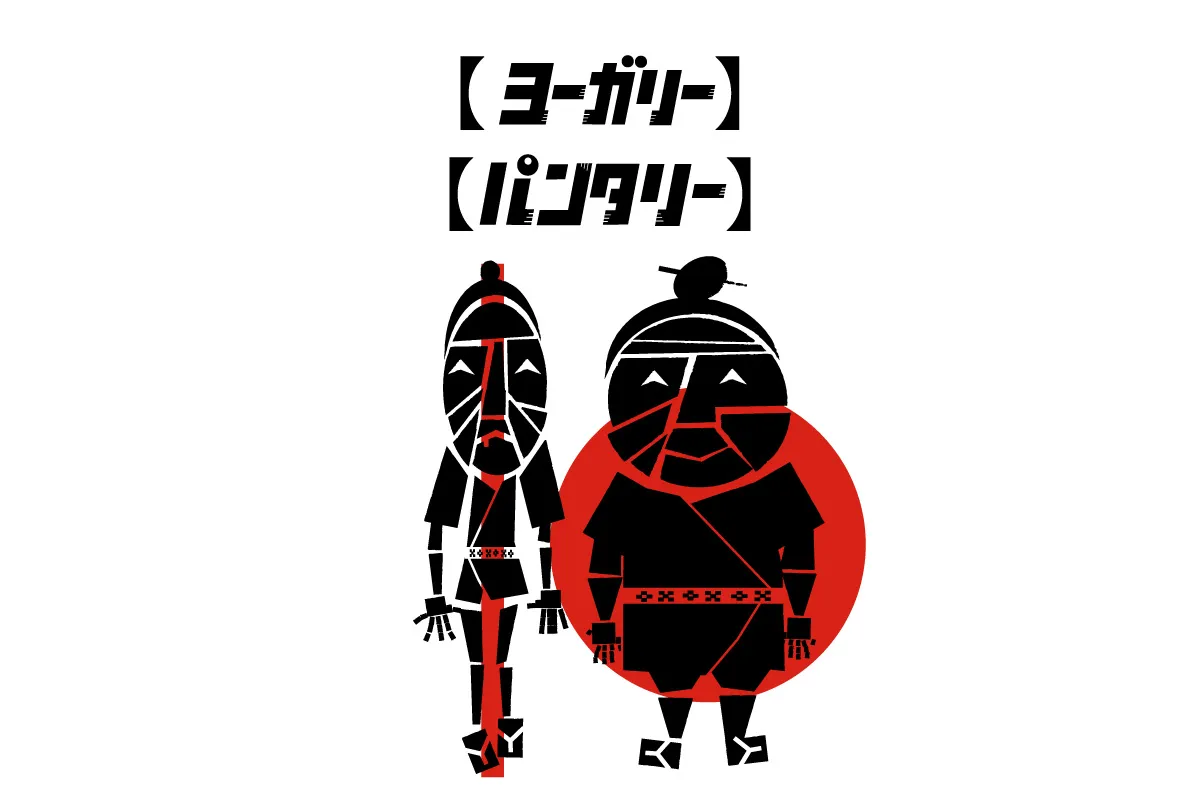
Yogari
Pantari
Yogari is a thin person,
while “Pantari” refers to plump people.
If you look it up in a dictionary, the original spellings are “Yogare” and “Pantare.”
Maybe the way people say them is changing.
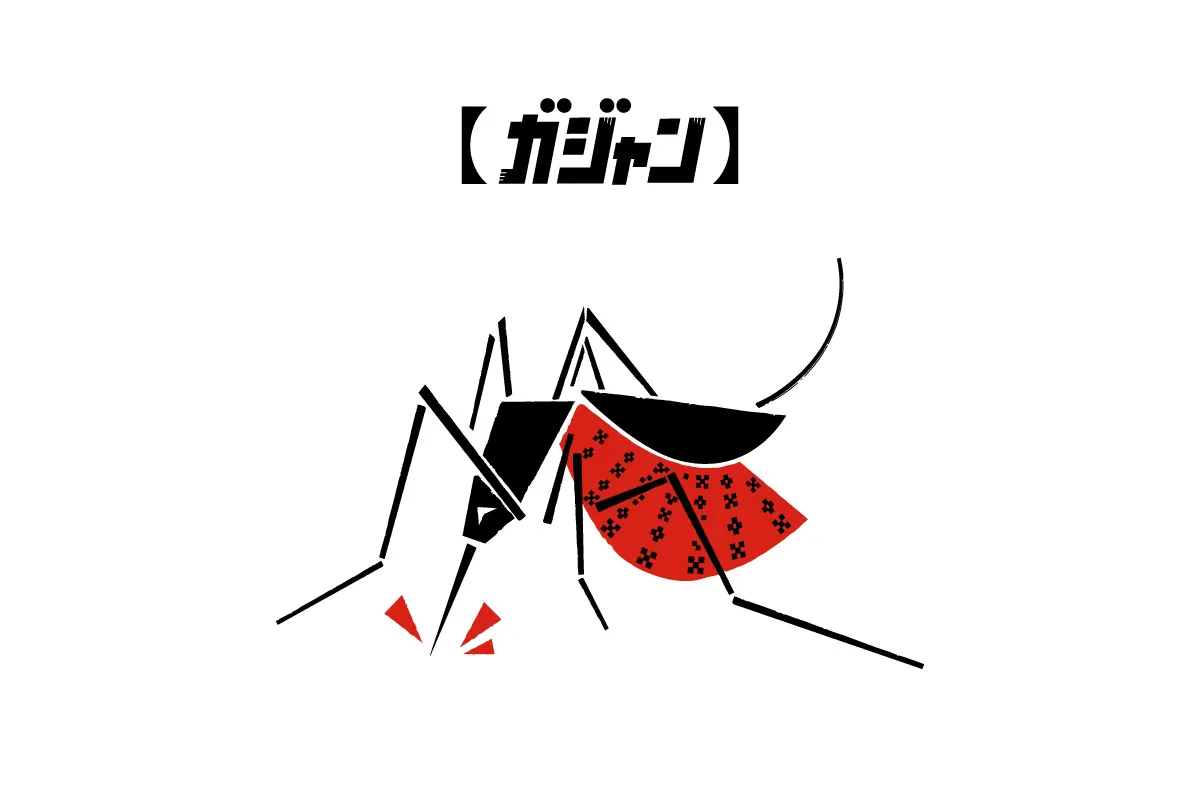
Gajan
About mosquitoes. In the language of Yaeyama, it’s called “Gazan.”
"Gajan" is apparently the term used on the main island of Okinawa, but
these days, it seems more common to hear “Gajan”
.
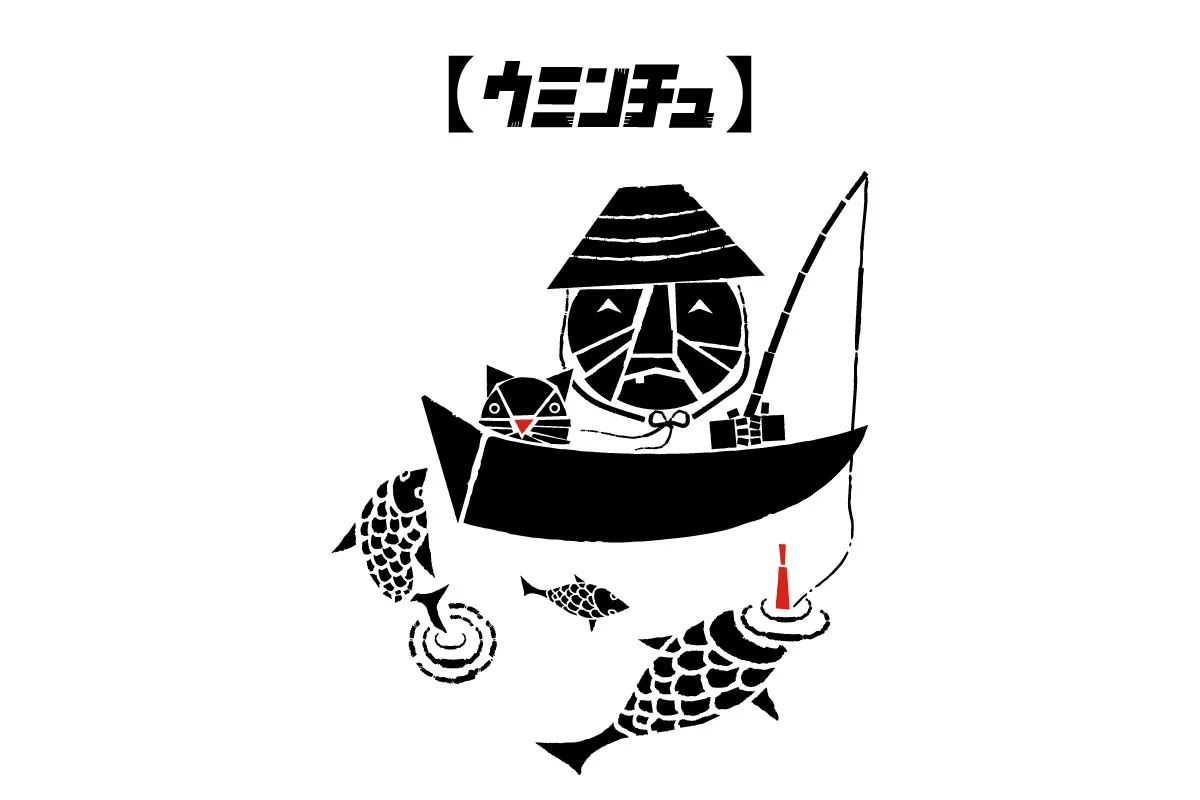
Uminchu
The characters for "sea person" are pronounced "uminchu," meaning fisherman.
The word for farmer is written as "畑人" and pronounced "Harusa".
This is a dialect from Okinawa Island, but it is also used in Yaeyama.
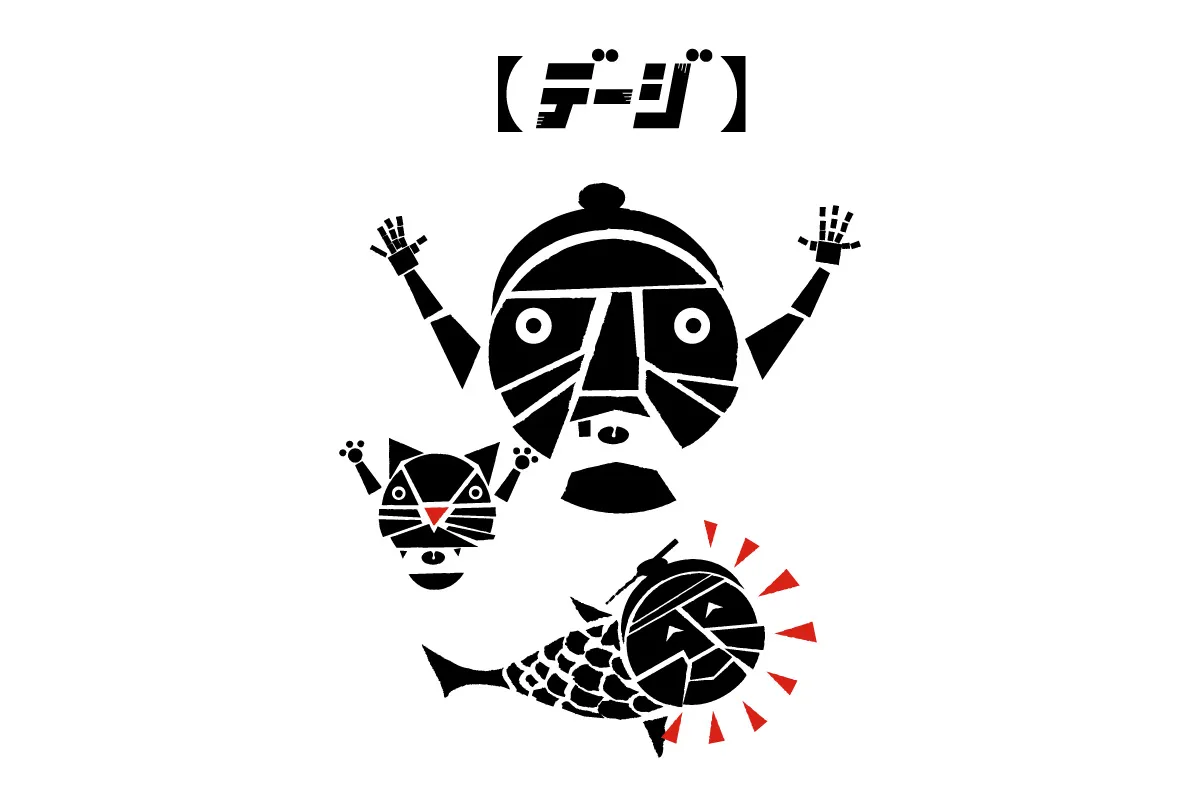
Daji
"Important thing, important." By extension, it’s also used to mean "very" or "super." "It’s really hot today!"
*When written out, the original pronunciation
"Dee-ju" seems to be the closest.
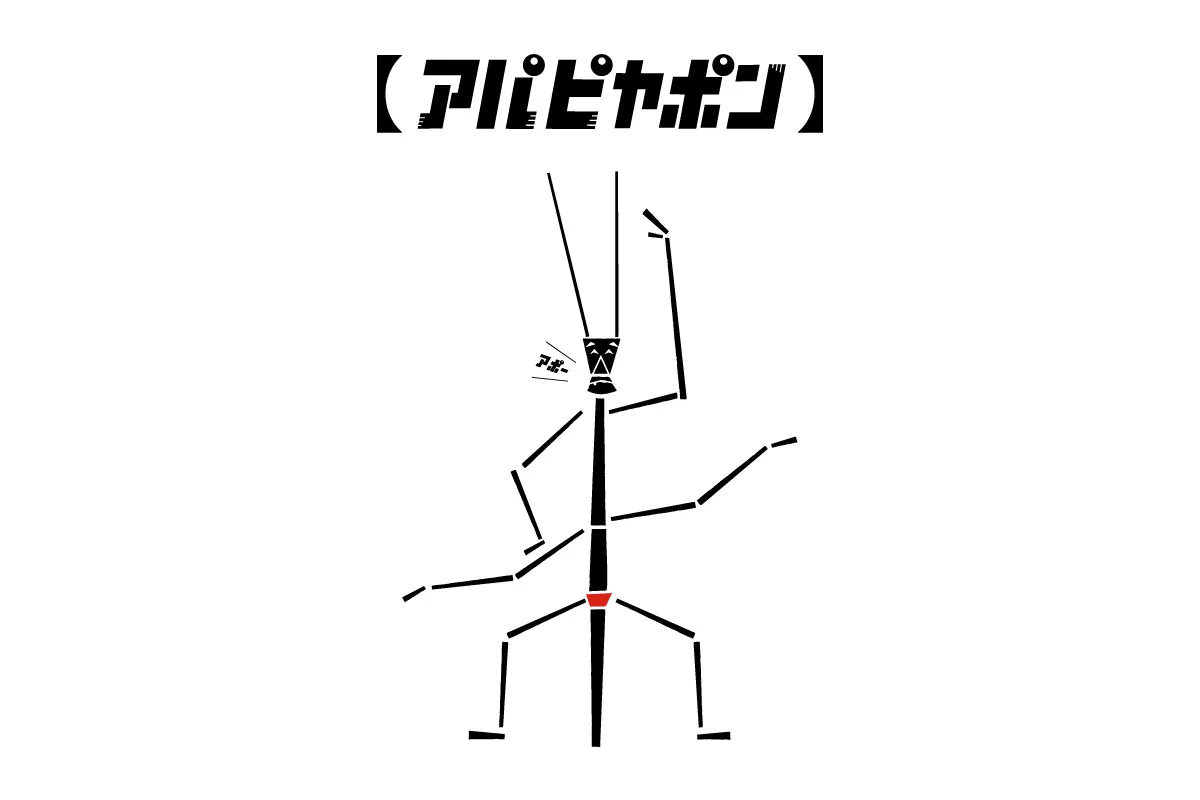
Apapiyapong
This is a colloquial term from Shiraho district of Ishigaki Island, referring to the stick insect. It's not a dialect, but it's an interesting word, so I thought I'd share it.
"Apapiapon," "Apapiyapon."
The origin is unknown.
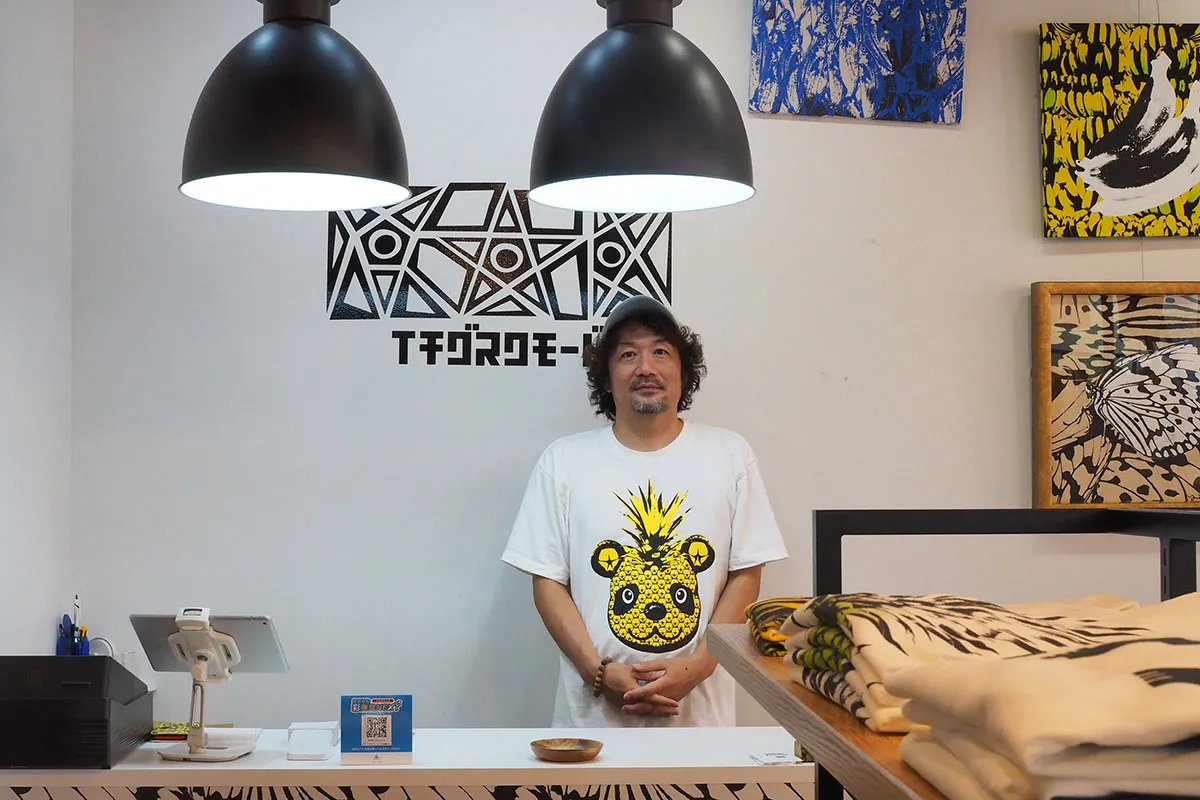
Dialect Katakana & Illustrations
Ichigusuku Mode is a project by Yasutake Ikeshiro, who loves Ishigaki Island, where he was born and raised, and expresses the island's dialect, culture, and flora and fauna through graphic design.
We express the interesting sounds of dialects through katakana designs and create T-shirts, miscellaneous goods, and more.